The Cost of Clothing: Why We Pivot
The Reality of Textile Pollution
The environmental toll of the fashion industry is staggering:
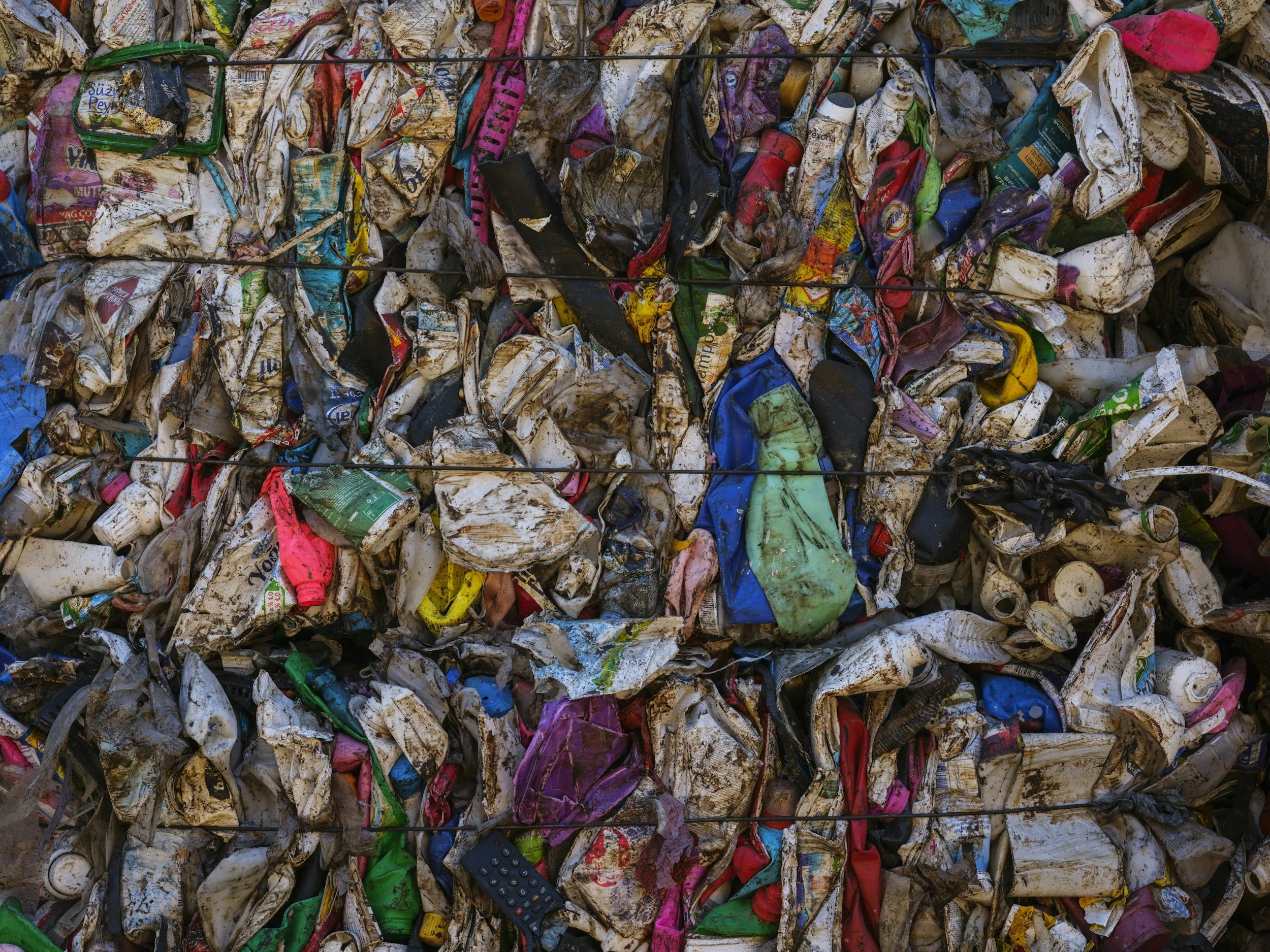
Landfill & Waste: Over 92 million tons of textile waste is generated globally each year, with the vast majority ending up in landfills or incinerators where synthetic fibers can take hundreds of years to decompose.
Resource Depletion & Water Usage: Producing a single cotton t-shirt requires approximately 700 gallons (2,600+ liters) of water, while a single pair of jeans takes roughly 2,000 gallons of water to manufacture—enough drinking water for one person for over seven years
Microplastics & Chemical Runoff: Synthetic textiles (like polyester, nylon, and acrylic) are responsible for approximately 35% of all microplastics entering the ocean each year. Because microfibers are microscopic, up to 20–30% bypass municipal wastewater treatment filters and flow directly into rivers, lakes, and oceans, where they are ingested by marine life and enter the global food web.
Fashion is currently responsible for up to 10% of global carbon emissions—more than all international flights and maritime shipping combined.
Standing Against Fast Fashion
This environmental crisis isn't an accident; it's the direct result of fast-fashion capitalism. Built on overproduction, planned obsolescence, and cheap labor, the fast-fashion model relies on persuading consumers that clothes are trendy today and trash tomorrow. It treats garments as throwaway goods rather than investments of labor, land, and water.
We stand firmly against this throwaway culture. We believe in slowing down, valuing craftsmanship, and honoring the human hands and natural resources that went into making every yard of fabric. True sustainability isn't just buying "eco-friendly" new clothes—it's keeping the textiles that already exist in active use for as long as humanly possible.
Our Tiered Solution: Every Scrap Has a Purpose
To combat textile waste, we practice a tiered upcycling system based on the wear and integrity of every piece of fabric that comes through our hands:
Repair & Adapt: For garments with minor rips, fades, or missing buttons, we use mending and structural repairs to restore them into wearability, sewing the tears and adding embellishment to cover stains or fades. We do live-sewing at markets or can accept items to repair at home.
Reconstruct: When a garment is beyond full repair, we salvage intact panels and reconstruct them into handmade accessories, statement patches, and functional everyday goods.
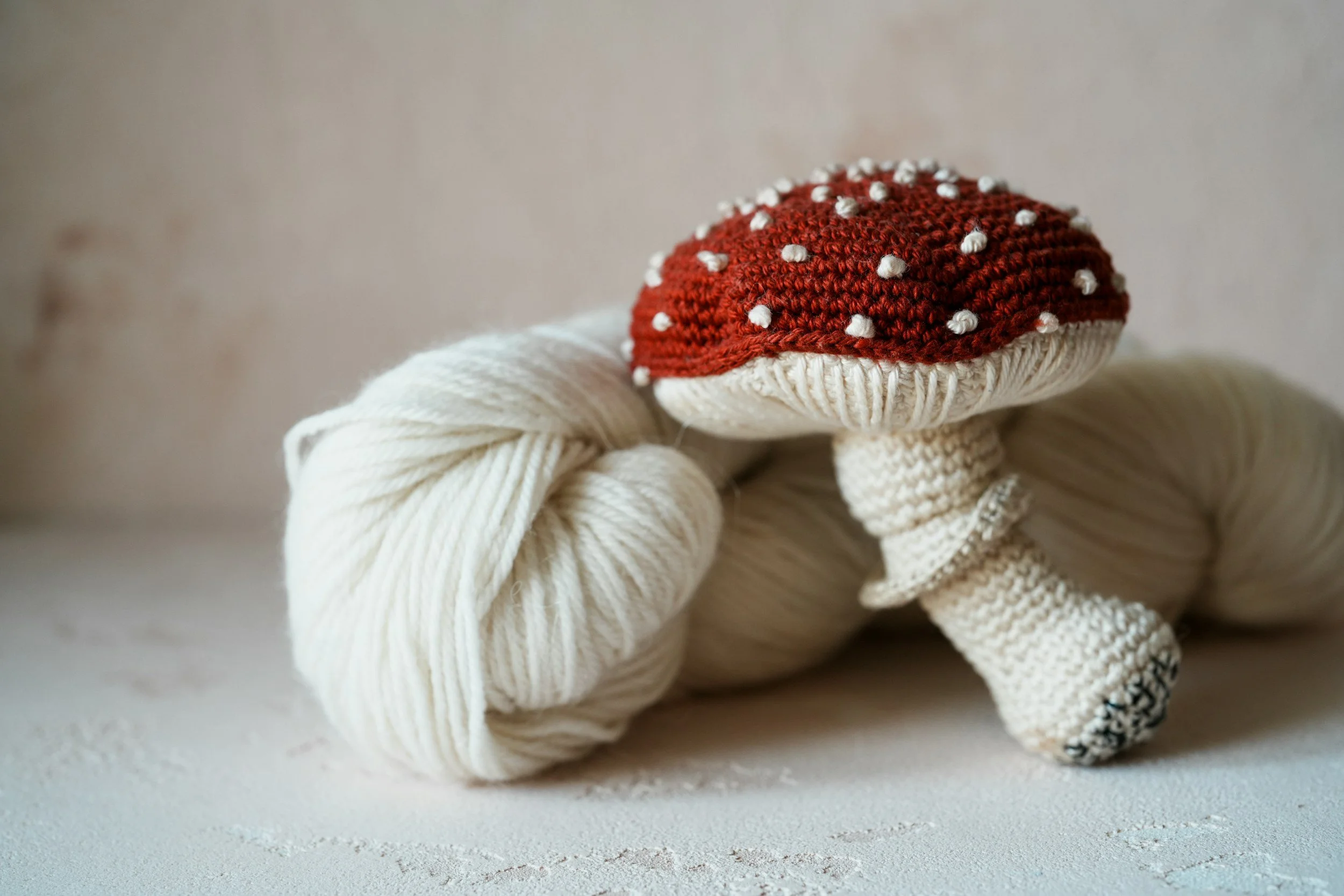
Zero-Waste Stuffing: Finally, the absolute smallest remnants, frayed edges, and thread trimmings are shredded and transformed into dense, durable stuffing for our amigurumi (crochet stuffed animal) plush companions.
Nothing is wasted. By matching each textile to its highest possible use, we turn potential landfill pollution into functional art and cozy new companions—closing the loop, one stitch at a time.